


1. Introduction
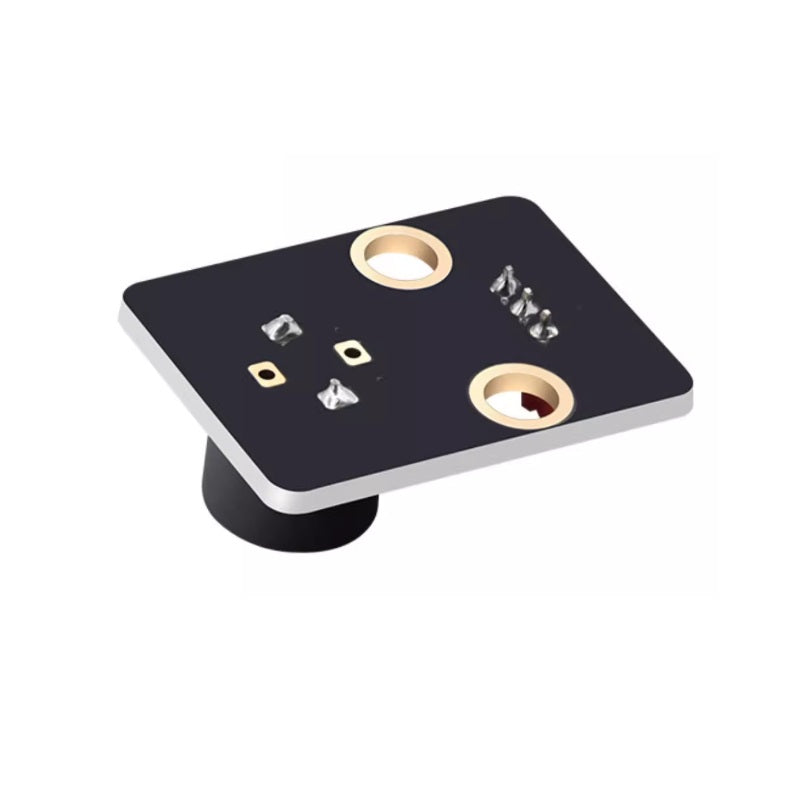
The Keyes 2021 new DIY electronic building block active buzzer module is a high-quality module designed for electronics enthusiasts and educators. Made with environmentally friendly materials, this module ensures safety and durability. The active buzzer produces a loud tone, suitable for alarms, alerts, and various educational projects.
2. Features
-
Environmentally friendly materials : Made of black environmentally friendly materials, meeting modern safety standards and suitable for various usage environments.
-
Loud sound effect : The module has a built-in active buzzer that can emit a clear tone for easy alarm and prompt.
-
Anti-reverse insertion interface : Equipped with a 2.54mm red anti-reverse insertion terminal to ensure the safety and reliability of the connection.
-
Compatibility : This module is compatible with a variety of microcontroller control boards (such as Arduino, Raspberry Pi, etc.), making it easy to implement various projects.
-
Easy to install : Includes a 3-pin white reverse-insertion-proof connector, making the wiring process simple and convenient, even for beginners.
-
Mounting holes : The module is designed with two LEGO-compatible mounting holes with a diameter of 3mm, making it easy to mount the module on LEGO or other devices.
3. Specifications
-
Model : KE4010
-
Buzzer type : Active buzzer
-
Wire length : 200mm
-
Operating voltage : DC 3.3V - 5V
-
Interface type : 3-pin anti-reverse connector with a 2.54mm pitch
-
Positioning hole size : 3mm in diameter
-
Dimensions : 32mm x 23.5mm x 12mm
-
Power consumption : Approximately 20mA (when operating at 5V)
4. Working Principle
This active buzzer module is based on digital signal control, and its working principle is as follows:
-
Power connection : The module is connected to the power supply through the GND and VCC ports, and supports an operating voltage range of 3.3V to 5V to ensure the normal operation of the buzzer.
-
Signal control : The signal terminal (S) receives input signals from the controller to control the buzzer's sound output. When the signal is high, the buzzer sounds; when it is low, the buzzer is silent.
-
Connection configuration : The modular design facilitates quick assembly and disassembly, while the red anti-reverse insertion terminals and wires ensure safe connection and reduce the risk of incorrect connection.
5. Foot position description
The module's pin definitions are as follows:
|
Pin Name |
describe |
|---|---|
|
VCC |
Connect to the positive power supply; supports 3.3V to 5V input. |
|
GND |
negative power connection |
|
S |
The signal input terminal is used to control the sound output of the buzzer. |
-
VCC : Connect to the positive terminal of the power supply to provide the required voltage to the module. Ensure the power supply is between 3.3V and 5V to avoid damage.
-
GND : Connects to the negative terminal of the power supply to ensure the module works properly and provides a stable reference power.
-
S (Signal Terminal) : Receives signal input from the controller. The buzzer sounds when the signal is high.
6. Application Scenarios
Keyes' new 2021 DIY electronic building block active buzzer module is widely used in:
-
Education : Used in electronic courses and practical activities to help students understand the working principle of buzzers and signal control.
-
Alarm system : can serve as a simple alarm or alert sound source to alert users to specific events.
-
DIY projects : Suitable for developing sound feedback projects, such as electronic toys or alarms.
-
Experiment : Used in experiments to demonstrate sound signals, facilitating understanding of the relationship between electronic signals and audio output.