


1. Introduction
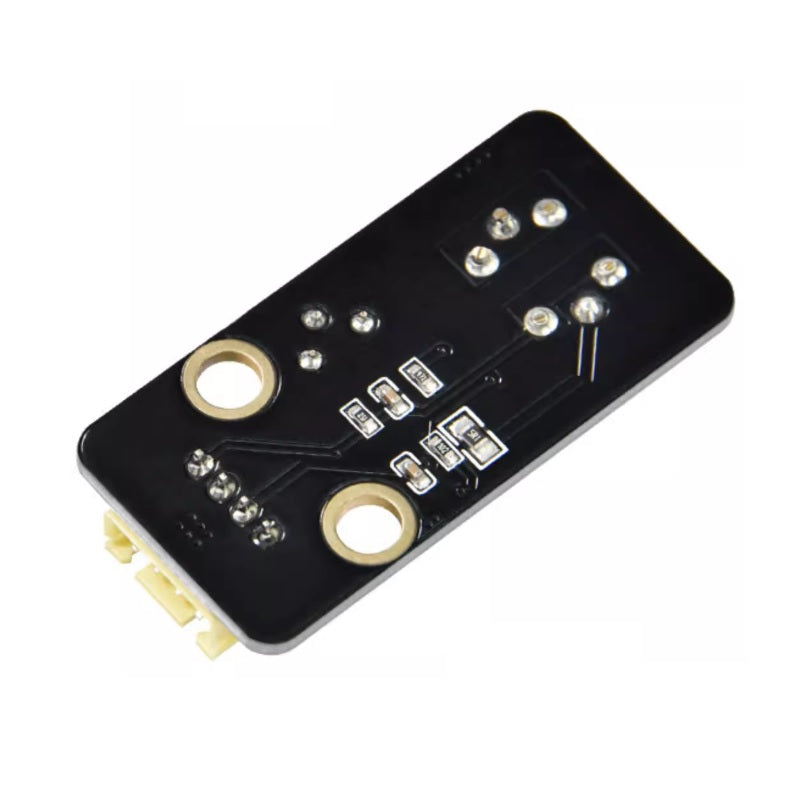
The Keyes MQ-2 Gas Sensor, a new 2021 DIY electronic building block, is a module for detecting various gases (such as methane and liquefied petroleum gas), suitable for gas alarms, air quality monitoring, and smart home systems. The module boasts high sensitivity and stability, making it an ideal device for understanding ambient gas concentrations.
2. Features
- Environmentally friendly materials : The black environmentally friendly material used in this module meets modern safety standards.
- Multi-gas detection : Capable of detecting multiple gases, including methane and liquefied gases, suitable for various applications.
- Anti-reverse insertion interface : Equipped with yellow anti-reverse insertion terminals to ensure safe connection.
- Wide compatibility : Compatible with microcontrollers such as Arduino and Raspberry Pi, facilitating the implementation of various projects.
- Easy to install : The simplified wiring design is suitable for beginners and DIY projects.
3. Specifications
|
parameter |
describe |
|---|---|
|
model |
KE4029 |
|
Sensor type |
MQ-2 gas sensor |
|
Wire length |
200mm |
|
Operating voltage |
DC 5V |
|
Interface type |
Anti-reverse interface with a spacing of 2.54mm |
|
Detection concentration range |
300 to 10000 ppm |
|
Power consumption |
Approximately 150mA (when operating at 5V) |
4. Working Principle
The MQ-2 gas sensor is based on the principle of chemical sensors, and its working process is as follows:
- Power connection : Connect to the power supply via VCC and GND. The module supports DC 5V operation.
- Signal output : The gas concentration is determined by reading the analog voltage signal. When the gas concentration exceeds the set range, a corresponding signal is output.
5. Foot position description
|
Pin Name |
describe |
|---|---|
|
VCC |
Connect the positive power supply terminal; supports DC 5V input. |
|
GND |
negative power connection |
|
A0 |
Analog output terminal, detecting gas concentration |
|
D0 |
The digital output terminal outputs a high level when the threshold value is exceeded. |